
Whole Foods vs. Processed Foods
Processing is a spectrum, not a switch. Choose the less-processed version a little more often, and nothing has to come off your plate.
Download the PDFPrint two-sided: this guide is two pages, front and back.
Why It Matters
You have probably heard that “whole” foods are good and “processed” foods are bad, but the real story is more forgiving than that. Processing is a spectrum, not a switch, and almost everything in your kitchen has been touched in some way.
What matters most is the pattern over time: leaning a little more often toward foods closer to their natural form. When you do, you tend to get more fiber, more nutrients, and steadier energy through the afternoon, which is usually the change people notice first.
“Processed” is a spectrum
A whole food is close to how it grows: an apple, a handful of almonds, a sweet potato. Processed just means a food has been changed from how it grew: frozen, chopped, canned. Plenty of processed foods are good for you. Washing, freezing, chopping, and canning are all forms of processing that make good food easier to use. The place to slow down is with heavily processed items, where lots of added sugar, salt, refined ingredients, and hard-to-pronounce additives pile up.
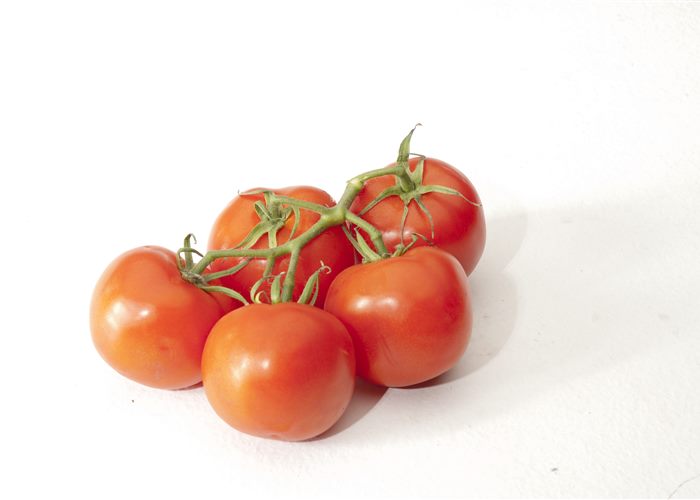
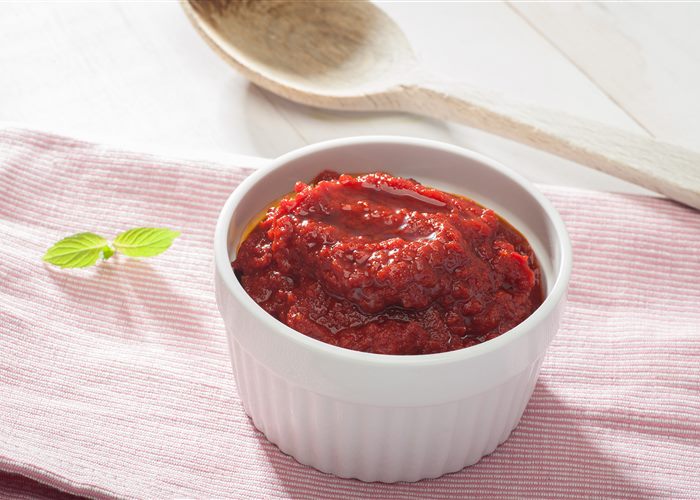
A whole food, and the same food processed. Washing and cooking turn whole tomatoes into sauce; that work is the processing. Make the Sun-Dried Marinara and do that work in your own kitchen.
Why whole foods and fiber matter
Foods closer to their whole form usually carry more fiber, vitamins, and minerals. Fiber does several jobs at once: it helps you feel full and satisfied, keeps digestion moving, and feeds the friendly bacteria that live in your gut. How much those bacteria shape the rest of your health is still being worked out, but the foods that feed them earn their place either way. You do not need a perfect diet to get these benefits, just more real, whole food more often.

Canned beans are processed. They are also fiber, plant protein and a minute of work.
Choose the less-processed version. You do not have to overhaul your cart. When two options sit side by side, five or fewer ingredients is a useful bar: unscientific, but it steers you toward the less-processed shelf faster than the front of the box will.
Try This
Take a look at a few foods you reach for most weeks. Notice where they fall on the processing spectrum, with curiosity rather than judgment, then pick one swap you would actually enjoy.
Wellness education, not medical advice. For questions about your health, medications, or a condition you manage, discuss it with your primary care provider.